
“I do beseech you- Though I perchance am vicious in my guess , that your wisdom yet From one that so imperfectly conjects Would take no notice, nor build yourself a trouble Out of his scattering and unsure observance.”
Thoughtful feeling
Thoughtful Quotes — page 75 of 303
“Romans, countrymen, and lovers, hear me for my cause, and be silent, that you may hear.”
“I prithee gentle friend, Let thy fair wisdom, not thy passions, sway In this uncivil and unjust extent Against thy peace.”
“When a man's verses cannot be understood, nor a man's good wit seconded with the forward child understanding, it strikes a man more dead than a great reckoning in a little room. Truly, I would the gods had made thee poetical.”
“Covering discretion with a coat of folly.”

“I've read about 80 books a year for the past 50 years. I come from cultural breeding. I don't have a cellphone. When you spend all your time checking your cellphone messages, or updating your Facebook (of course I don't have a Facebook page) then you don't have any time for reading.”

“And indeed there will be time for the yellow smoke that slides along the street rubbing its back upon the window-panes; there will be time , there will be time to prepare a face to meet the faces that you meet; there will be time to murder and create, and time for all the works and days of hands that lift and drop a question on your plate; time for you and time for me, and time yet for a hundred indecisions, and for a hundred visions and revisions, before the taking of toast and tea.”

“Things in which we do not take joy are either a burden upon our minds to be got rid of at any cost; or they are useful, and therefore in temporary and partial relation to us, becoming burdensome when their utility is lost; or they are like wandering vagabonds, loitering for a moment on the outskirts of our recognition, and then passing on. A thing is only completely our own when it is a thing of joy to us.”

“I could give you no advice but this: to go into yourself and to explore the depths where your life wells forth.”

“My friends tease me about the fact that if someone seems bad or shady or like they have a secret, I find them incredibly interesting. That's just a phase I've been in lately. I don't think this should be how i proceed in life. It's important to be self-aware about these things because you don't want to end up with that guy.”

“You solve it as you get older, when you reach the point where you've tasted so much that you can somehow sacrifice certain things more easily, and you have a more tolerant view of things like possessiveness (your own) and a broader acceptance of the pains and the losses.”

“Respect the child. Be not too much his parent. Trespass not on his solitude.”
“Speak what you think today in hard words and tomorrow speak what tomorrow thinks in hard words again, though it contradict every thing you said today.”
“The hearing ear is always found close to the speaking tongue.”
“Must we always talk for victory, and never once for truth, for comfort, and joy?”

“Think of many things. Never place your happiness in one person's power. Be just to yourself.”
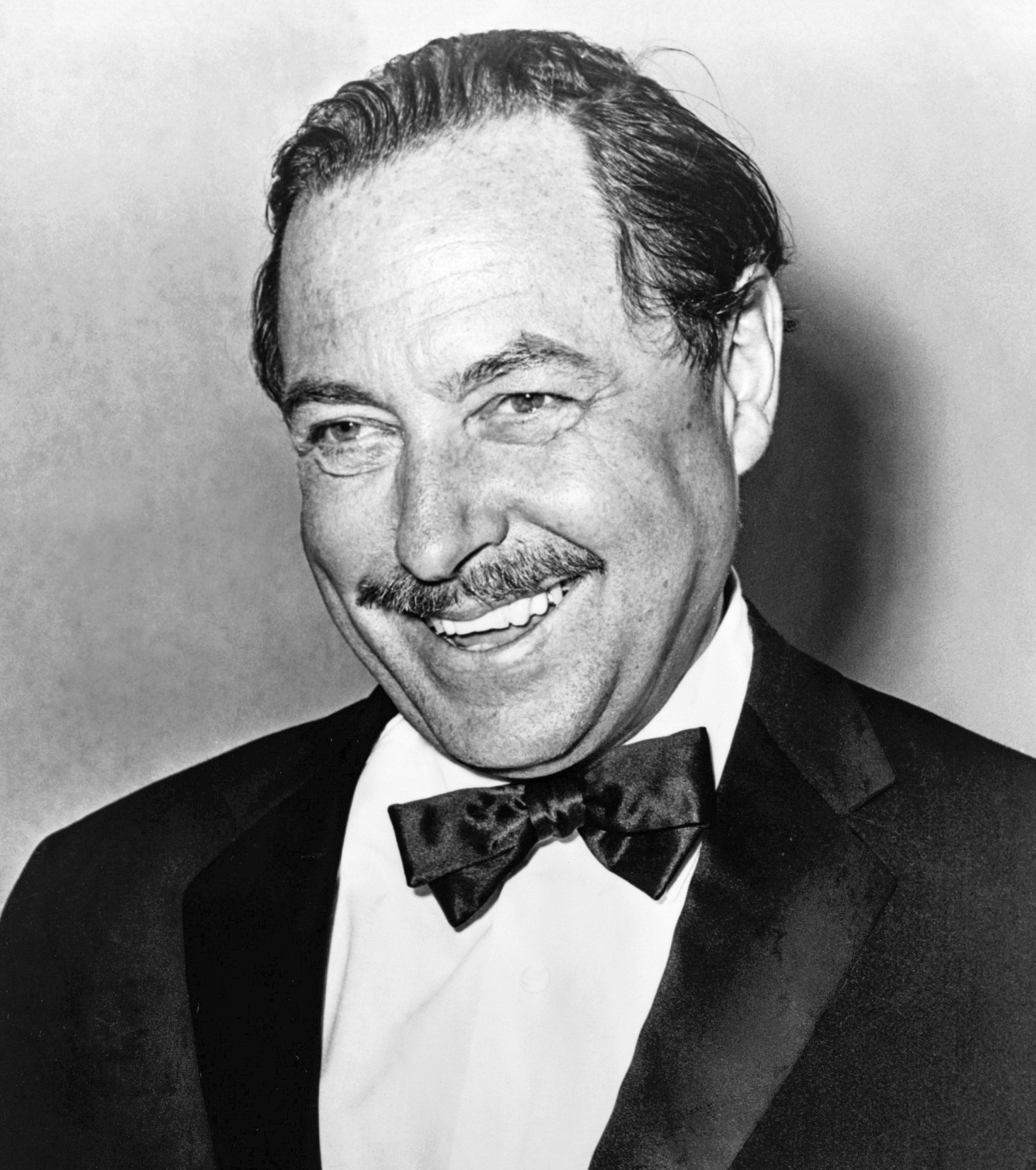
“Everyone says he's sincere, but everyone isn't sincere. If everyone was sincere who says he's sincere there wouldn't be half so many insincere ones in the world and there would be lots, lots, lots more really sincere ones!”

“We have less reason to be surprised or offended when we find others differ from us in opinion, because we very often differ from ourselves.”
“Bias and impartiality is in the eye of the beholder.”
“To set the mind above the appetites is the end of abstinence, which one of the Fathers observes to be not a virtue, but the groundwork of virtue.”