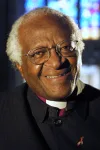
“To forgive is indeed the best form of self-interest since anger, resentment, and revenge are corrosive of that summum bonum, the greatest good.”
Grieving feeling
Grieving Quotes — page 97 of 132
“Death is too much to ask of the living.”

“What does one do about the dead? They live forever.”
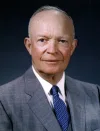
“We know something of the cost of that war. We were in it from December seventh, '41, till August of '45. Ever since that time, we have been waging peace. It has had its ups and downs just as the war did.”
“I kept imagining these people, just living their daily lives, and then having them suddenly ended in unjust tragedy. When we watch the news, we grieve all of this, but when we go to the movies, we want more of it. Somehow we realize that great stories are told in conflict, but we are unwilling to embrace the potential greatness of the story we are actually in. We think God is unjust, rather than a master storyteller.”
“We don't know how much we are capable of loving until the people we love are being taken away, until a beautiful story is ending.”
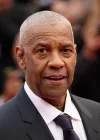
“I am not going to bury my son! My son is going to bury me!”

“Your own transformation will enable you to withdraw so completely from evil that you contribute to it by not one word, one thought, or one breath. This healing process is like recovering your soul.”
“When we stop interfering and are wise enough to let the psychophysiological connection work for us instead of against us, our minds rush as quickly as possible towards perfect health.”
“To promote the healing response, you must get past all the grosser levels of the body - cells, tissues, organs and systems -- and arrive at a junction point between mind and matter, the point where consciousness actually starts to have an effect.”
“We need grief as a precursor to emotional refreshment, and so consume it vicariously in somewhat titrated but powerful enough form through engagement with the arts.”

“I want to extend condolences to the families of those who died in the service of the United Nations.”
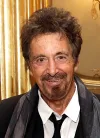
“I’ve always been in the theater. I’ve always gone to it. That’s been my way to cope. Early on in my career, I remember running - fleeing - to the theater as a way of coping with all the meshugaas that was going on for me.”
“Many years ago, in the late '70s, I toured colleges along the East Coast and I presented a kind of show where I got a lot of books and poetry and pieces of [William] Shakespeare and other writers that I admire, read it to the class and then afterward we would talk and I would answer questions. It was really a way of expressing and finding out about where I was at that particular time, so it was very therapeutic for me.”
“I went back to the stage because it was my way of dealing with the success I had, my way of coping. It was a way of escaping the responsibilty of what was happening.”
“I found that speaking live to people, young people, about what I liked and what had been happening to me was very good for me. I was quite overtaken by success and fame. I was one of those types who responded to it in a negative way. It was not easy.”

“All partings foreshadow the great final one.”

“I had to go on without my mother, even though I was suffering terribly, grieving her. My whole life sort of ended when my mom died. I had to remake it again and be a new person in the world without my mom. It was a very primal rebirth, that time after my mom died.”
“I had problems a therapist couldn't solve; grief that no man in a room could ameliorate.”
“My whole life sort of ended when my mom died.”